Email:export@gzliyin.com
WhatsApp:+8613902386325
Email:export@gzliyin.com
WhatsApp:+8613902386325
For acoustic treatment, proper placement is just as important as the quality of the panels. Even the best acoustic panels won't perform to their full potential if improperly installed.
So, where should acoustic panels be placed for optimal results?
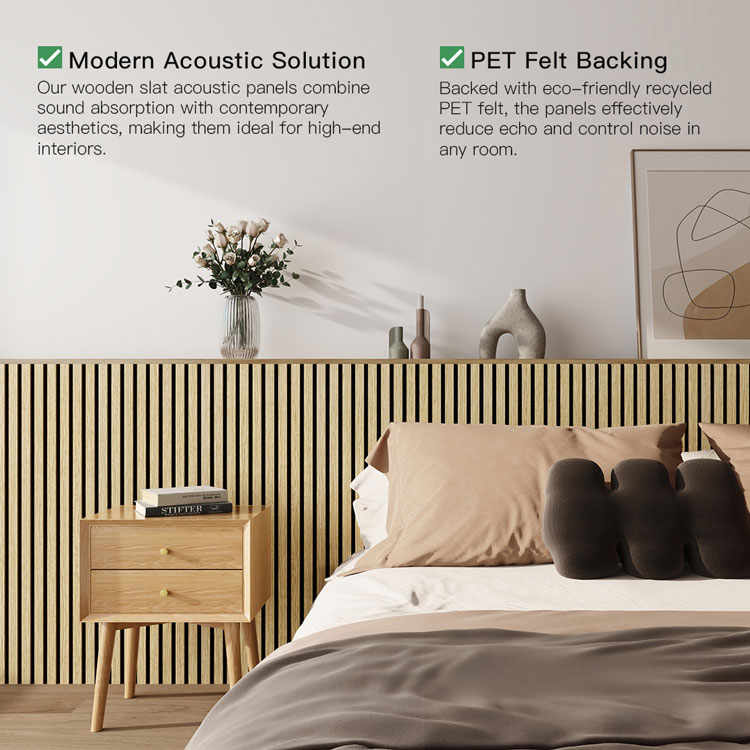
The answer depends on how sound travels within a room—and understanding this propagation is key to achieving professional-grade acoustics.
The Importance of Acoustic Panel Placement
Sound travels in waves and reflects off hard surfaces such as walls, ceilings, and floors. These reflections cause:
Echoes and reverberation
Decreased speech intelligibility
Muffled music playback
Hearing fatigue
Acoustic panels work by absorbing reflected sound energy, not blocking it. Therefore, they must be placed where reflections occur most frequently.
The Most Important Placement Areas for Acoustic Panels
1. First Reflection Point (Side Wall)
The first reflection point is the location where sound emitted by a speaker is directly reflected back to the listener after hitting the wall.
Optimal Placement:
1. Walls to the left and right of the speakers
Ear-level (sitting height)
This is one of the most effective and important placements for improving sound clarity in home theaters, recording studios, and offices.
2. Front Wall (Behind the Speakers)
Placing acoustic panels on the wall behind the speakers helps to:
Reduce sound reflections back into the room
Improve stereo imaging
Enhance bass response
Wooden slat acoustic panels are particularly effective here, combining sound absorption with aesthetics.
3. Rear Wall (Behind the Listener)
The wall behind the listener often produces back reflections, resulting in echoes and muddy sound.
Recommended Uses:
Large acoustic panels
Wooden slat acoustic panels with PET backing
Partial or full coverage depending on room size
This installation method significantly improves overall listening comfort.
4. Ceiling Acoustic Panels (Ceiling Clouds)
The ceiling is often overlooked, but it is a major source of sound reflections.
Ceiling acoustic panels are best suited for the following locations:
Home studios
Meeting rooms
Home theaters
Open-plan offices
Installing acoustic panels directly above the listening or working area helps control vertical reflections.
5. Shared walls in apartments or offices
If you share a wall with a neighbor or adjacent room:
Install acoustic panels on the shared wall
Focus on absorbing mid-to-high frequency sounds
For best results, pair with soft furnishings
While acoustic panels don't completely block out sound, they significantly improve perceived noise levels.

Tel / Whatsapp : +86 13902386325 / +86 13902386325
Email :
export@gzliyin.com


© 2026 Guangdong Liyin Acoustics Technology Co., Ltd. All Rights Reserved.

Hi! Click one of our members below to chat on


