Email:export@gzliyin.com
WhatsApp:+8613902386325
Email:export@gzliyin.com
WhatsApp:+8613902386325
When investing in acoustic treatment for a home theater, office, studio, or commercial project, one of the most common questions buyers ask is:
How long do acoustic panels last?
The good news is that high-quality acoustic panels are designed to last for many years. However, lifespan depends heavily on the panel materials, installation method, environment, and manufacturing standards.
In this guide, we’ll break down the typical lifespan of different acoustic panel types, what factors affect durability, and how to ensure your panels stay effective and beautiful long-term.
Most acoustic panels last between 8 to 20 years, depending on the type and quality.
Here’s a general lifespan estimate:
Acoustic foam panels: 3–8 years
Polyester fiber acoustic panels: 8–15 years
Fabric-wrapped fiberglass/mineral wool panels: 10–20 years
Wood slat acoustic panels (MDF + felt): 10–20+ years
Premium architectural acoustic panels: 15–25 years
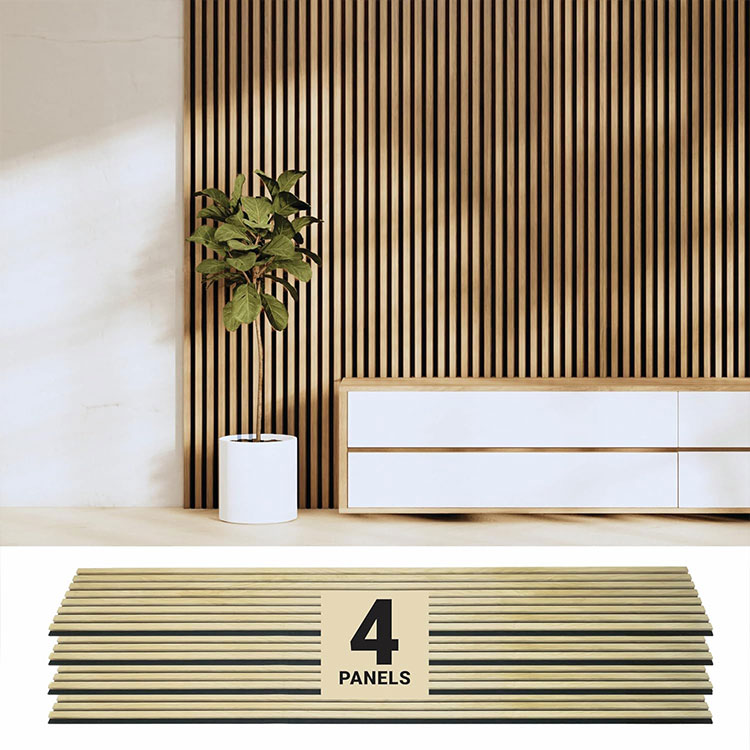
If installed properly and manufactured with stable materials, wood slat acoustic wall panels can remain structurally strong and visually attractive for decades.
In most cases, acoustic panels do not “wear out” acoustically unless they experience physical damage or moisture exposure.
Sound absorption performance is mainly based on:
thickness
density
internal fiber structure
air permeability
As long as these components remain intact, the acoustic performance remains stable.
However, acoustic panels can gradually lose effectiveness if they are:
compressed
soaked by humidity
exposed to mold
exposed to UV damage or high heat
poorly installed (falling or warping)
Material quality is the biggest factor determining panel lifespan.
For example:
Low-density foam panels can crumble or harden quickly.
Low-quality felt may deform or peel.
Poor MDF may warp in humid conditions.
High-grade materials (high-density MDF, premium veneer, stable polyester fiber felt) provide long-term durability and structural stability.
Acoustic panels last much longer in dry indoor environments.
High humidity can cause:
MDF swelling
veneer peeling
adhesive failure
mold growth in fabric surfaces
This is especially important for:
basements
coastal buildings
bathrooms
tropical regions
For humid markets, using moisture-resistant backing materials and proper sealing is critical.
A panel installed correctly will last far longer than one installed with weak adhesives or unstable mounting.
For long-term durability, professional mounting options include:
screws with wall plugs
metal clips or brackets
mounting rails
construction adhesive + mechanical support
If a panel falls repeatedly, it may crack or lose its acoustic backing.
Direct sunlight can fade the surface finish of acoustic panels over time, especially:
natural wood veneers
fabric-wrapped panels
colored felt
In bright rooms with large windows, using UV-protected finishes and premium veneer helps prevent discoloration.
In high-traffic commercial spaces such as:
schools
gyms
restaurants
lobbies
corridors
panels may be scratched or bumped regularly.
Wood slat acoustic panels typically handle wear better than soft foam or fabric panels because the wooden slat surface is more impact-resistant.
Wood slat acoustic panels are among the most durable acoustic solutions available.
A high-quality wood slat panel typically lasts 10 to 20+ years, depending on:
MDF density
veneer thickness
felt quality
adhesive stability
manufacturing accuracy
Compared to foam panels, wood slat acoustic panels offer:
stronger structure
better long-term appearance
easier cleaning
more premium architectural value
They are ideal for both residential and commercial projects.
Even though acoustic panels are long-lasting, you may need replacement if you notice:
visible warping or swelling
peeling veneer or delamination
mold smell or mildew stains
felt sagging or separating
broken slats or cracks
severe fading or discoloration
reduced sound performance due to damage
In most cases, if the panel is still structurally intact, it can continue performing acoustically.
To maximize acoustic panel lifespan, follow these maintenance tips:
Avoid installing panels in areas with water exposure. For humid climates, consider moisture-resistant materials and professional wall preparation.
Use a soft cloth or vacuum brush for dust
Avoid harsh chemicals on wood veneer
Do not soak felt backing with water
In commercial spaces, consider installing panels above impact zones or adding protective trims.
Avoid low-quality glue-only installations for heavy panels. Mechanical mounting systems are recommended for long-term safety.
Yes—especially when you choose professional-grade products.
Acoustic panels not only improve sound comfort but also provide long-term benefits such as:
better speech intelligibility
reduced echo and noise fatigue
enhanced home theater and studio performance
increased property and interior design value
Wood slat acoustic panels offer an excellent balance of acoustic performance + decoration + durability, making them one of the best long-term acoustic solutions.

Tel / Whatsapp : +86 13902386325 / +86 13902386325
Email :
export@gzliyin.com


© 2026 Guangdong Liyin Acoustics Technology Co., Ltd. All Rights Reserved.

Hi! Click one of our members below to chat on


